



Wellbeing: a new way to care for health and travel


Wellbeing is redefining the way we understand health and travel insurance. Traditional coverage is now complemented by services that help anticipate risks, facilitate access to assistance and provide solutions that improve people’s experience before, during and after an incident.
For us, caring for people means much more than responding when a problem arises. It means providing tools that promote wellbeing, both in everyday life and thousands of kilometres away.
As Ana Claudia Calil, Commercial and Marketing Director at Mawdy Brazil, explains, “it is no longer just about responding when a problem occurs, but about helping to prevent risks, facilitate access to assistance and support people before, during and after an incident”.
Although health and travel insurance cover different needs, both are evolving in the same direction. Technology has made it possible to incorporate services that expand their usefulness and transform the overall experience. What does this change look like in practice?
Proactive health
This change reflects a trend that Ana Claudia describes as the shift “from occasional care to ongoing support”, made possible by digitalisation and new connected health tools.
Programmes that incorporate wearables capable of tracking physical activity, sleep quality and other lifestyle habits are already commonplace. This information enables personalised recommendations and can even encourage healthy behaviours through reward systems or gamification.
Prevention is also part of the travel experience. Before setting off, users can check recommended vaccinations, health alerts and advice on minimising the effects of jet lag. These small steps help reduce risks and allow travellers to enjoy their destination with greater peace of mind.


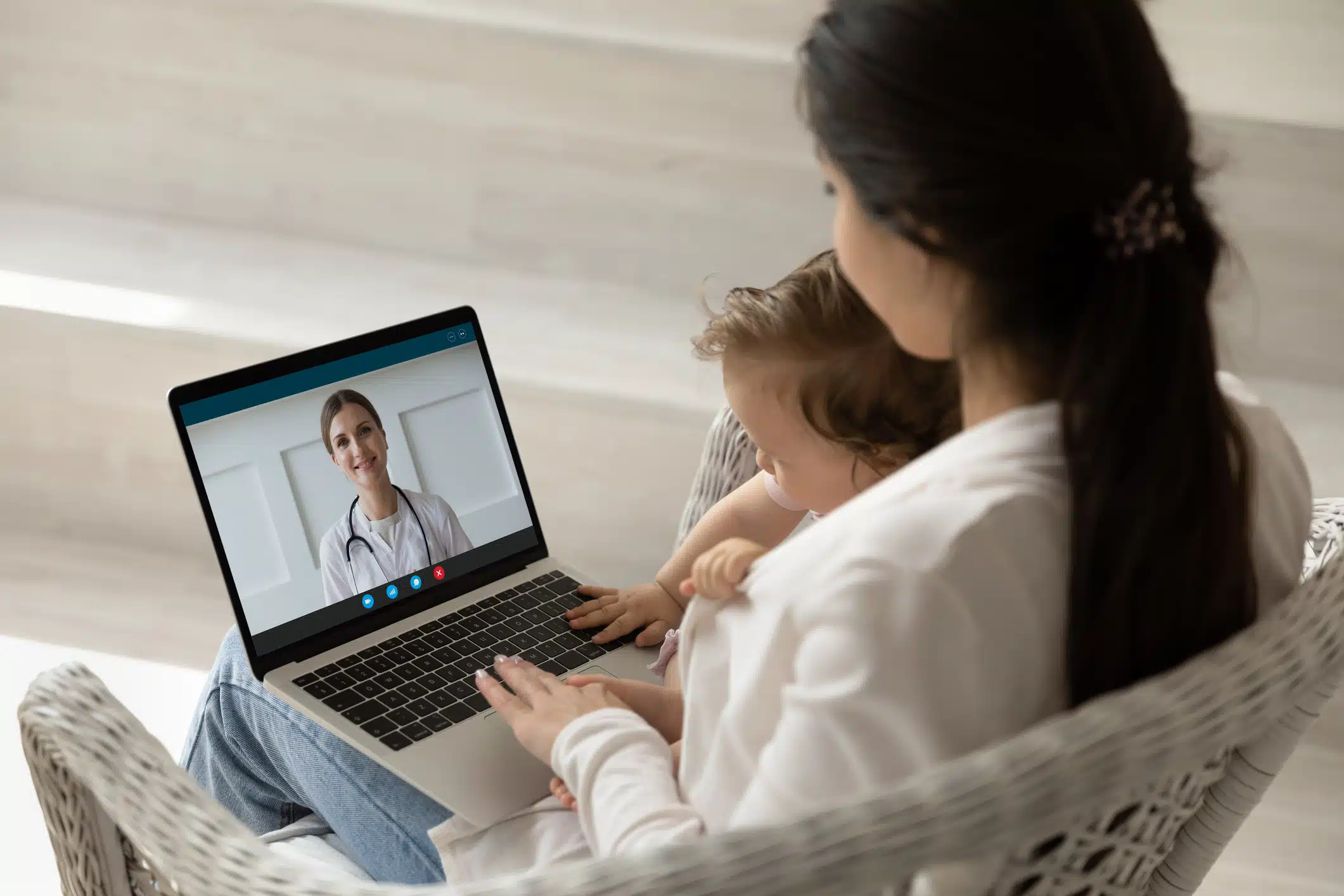
A doctor within reach on your mobile
If you start feeling unwell while working, you can speak to a doctor via chat or video call within minutes, get answers to your questions and receive an electronic prescription if necessary.
This becomes even more valuable when it happens far from home. Gastroenteritis during a trip, a skin rash or a sore throat no longer require finding a medical centre or overcoming a language barrier. Through a mobile phone, travellers can receive medical assistance in their own language.
Telemedicine has removed many of these geographical limitations. In addition to addressing specific concerns, it supports treatment monitoring and helps users remain in contact with healthcare professionals wherever they may be.
Caring for emotional health too
Mental health is another area that has evolved significantly in recent years. Stress, anxiety and emotional exhaustion are part of everyday life for millions of people. According to Gallup’s State of the Global Workplace report, four in ten employees say they experience high levels of stress in their daily lives.
In this context, services that provide access to the following are becoming increasingly common:


These needs do not disappear when we travel. A flight cancellation, lost luggage or any other incident can create a considerable emotional burden. Having access to specialised support in these circumstances also provides reassurance and helps people cope with the situation more effectively.
Less bureaucracy, more solutions
Requesting authorisations, completing forms or starting lengthy claims processes adds complexity to situations that are often already challenging. That is why a significant part of our innovation focuses on simplifying processes.
In healthcare, electronic prescriptions, automatic authorisations for certain tests and direct access to specialists reduce waiting times and eliminate unnecessary administrative procedures.
Something similar is happening in travel insurance thanks to parametric solutions. If a flight exceeds the established delay threshold, the system can automatically trigger financial compensation or provide access to an airport VIP lounge, without the traveller having to submit documentation or initiate a claim.
An opportunity for companies and partners
Financial institutions, airlines, travel agencies, digital platforms and Human Resources departments are looking to offer value propositions that go beyond their core product. Incorporating wellbeing services helps strengthen relationships with customers, travellers or employees and enables organisations to stand out in an increasingly competitive market.
Insurance is therefore no longer perceived solely as a resource for exceptional situations. It becomes part of the everyday experience, delivering value from the very first moment.
At Mawdy, we have been developing solutions based on this philosophy for some time. MiA Health and MiA Travel integrate services that help prevent risks, facilitate access to assistance and simplify management when an incident occurs. The future of insurance is not only about responding when something happens, but also about helping people enjoy greater peace of mind every day.


How Predictive AI Redefines Assistance
Artificial intelligence offers a new way of understanding service. We move beyond “what happened” to focus on “what could happen” and “what can we do”.


Mawdy drives a new phase of growth with strategic appointments focused on delivering greater value to partners and customers
New appointments at Mawdy to strengthen business development, drive valuable partnerships, and continue bringing the company closer to the needs of partners and customers.